Wednesday, 18 March 2020

Adjectives describing character

Character

Character, personality, nature

good (excellent, fine, strong, firm, weak, bad, terrible, evil) character;
traits of character; qualities; he has a terrible character; his character is very good;
a woman of great character; a man of character; he has no character at all;
pleasant (friendly, strong, weak, interesting, charismatic) personality;
she has a friendly personality; he has a lot of personality;
she is soft-hearted by nature; it is not in his nature to be rude.

Strong, honest, reliable, hardworking, active, etc.

strong, tough, hardy, mature, independent; weak, immature;
strong-minded, strong-willed, hard-headed, determined, resolute;
honest, sincere, truthful, decent, scrupulous; dishonest, insincere;
cunning, deceitful, crafty, sly, treacherous; unscrupulous;
dependable, reliable, trustworthy; faithful, loyal, devoted; true;
unreliable, untrustworthy; unfaithful, disloyal; irresponsible;
hardworking, diligent, conscientious; responsible; persevering; ambitious;
disciplined, organized, accurate, methodical, careful; thorough;
undisciplined, disorganized, inaccurate, careless; forgetful; shallow, superficial;
reasonable, sensible, rational, prudent, level-headed, practical;
just, fair, objective, impartial, unbiased; unjust, unfair; opinionated;
unreasonable, irrational; unpredictable; impractical; naive; superstitious;
active, energetic, vigorous, quick, fast; lazy, idle, slow, inert, passive, sluggish;
attentive, alert, perceptive, observant, insightful, shrewd; inattentive;
brave, bold, courageous, fearless; reckless; cautious; timid, cowardly.

Friendly, kind, polite, patient, humorous, selfish, etc.

good-natured, good-tempered, easygoing; bad-tempered; ill-natured; malevolent; mean;
friendly, amiable, amicable, sociable, outgoing; unfriendly, hostile, unsociable;
generous, noble; kind, kind-hearted, soft-hearted, unselfish; helpful; gentle;
firm, strict, stern, severe; cruel, harsh, hard-hearted; merciless, ruthless;
thoughtful, considerate; compassionate, sympathetic; tolerant; intolerant;
polite, civil, urbane, tactful; impolite, rude, tactless; well-mannered; bad-mannered;
haughty, arrogant, impudent; aggressive, pushy; stubborn, obstinate;
confident, self-confident; shy, diffident, timid, modest, humble; unassuming;
serious, calm, quiet, placid; patient; self-possessed; impatient; impulsive;
formal, official; informal, relaxed, casual, simple; sophisticated; unsophisticated;
humorous, amusing, funny, interesting; creative; inventive; dull, boring, uninteresting, tedious;
cheerful, happy, carefree; optimistic; moody, melancholic; gloomy, morose; pessimistic;
temperamental, emotional, nervous; self-conscious, sensitive, touchy;
selfish, egoistical, self-centered; inconsiderate; jealous, envious, possessive.

Other qualities

pretentious, self-important, vain, pompous; domineering, oppressive; unpretentious;
capricious, wayward, whimsical; mischievous; argumentative, irritable, quarrelsome;
critical, exacting, fault-finding; pedantic; docile, dutiful, obedient; disobedient;
talkative; glib; noisy; reserved, reticent; laconic; taciturn; silent; secretive;
economical, thrifty, frugal, tight, stingy, miserly, greedy; wasteful, prodigal, extravagant;
strange, odd, weird, eccentric, crazy; normal, ordinary, regular.

Make up 5 sentences with these adjectives and post them in the commentary section.

Tuesday, 17 March 2020

Should or must?


1. I  ____take some exercise if I want to feel fine.

2. I  ____worry about the exam if I were you. You have worked really hard. (-)

3. You look tired. I think you ____ take a few days off.

4. You _______  swim in that river. It's full of crocodiles

5. You  ______ drink so much. It's not good for your health.

6. You _____ brush your teeth after every meal, if possible

7. You _____ touch anything electrical if you are in the bath.

8. You_____  focus more on your family and less on work.

9. Jenny, you  _______ play in the street!

10. You  ______ come to school on time.

Sunday, 8 March 2020

15 New English Words You Need for 2020

Each year new words enter the English language. Some are added to dictionaries like The Oxford English Dictionary. Others are old words that are given new meanings. These new words show the evolution of language and the issues affecting the world today. And the most popular words of 2019 are no exception!

They tell a story of a new generation of future-minded individuals and reflect current trends in the environment, politics and lifestyle. Are you a freegan? Do you suffer from nomophobia? What’s a carbon sink?

You can find out what these words mean in our list of 15 trendy new words for 2020!


The Environment


1. carbon sink (n)
Definition: A forest, ocean, or another natural environment’s ability to absorb carbon dioxide from the atmosphere.

This is definitely not something you find in the bathroom. A carbon sink is something natural that absorbs more carbon than it releases as carbon dioxide. Oceans, soil and plants are the biggest carbon sinks.


2. freegan (n)
Definition: A person who only eats free food that has been (or would normally be) thrown away.

You know what a vegan is. Well, a freegan is a portmanteau of free and vegan. It is based on the idea that there’s too much food waste in the world which could be consumed for free. Often a freegan will find their food in a supermarket dumpster or an urban garden without paying a penny.

Freegan and freeganism were added into the Oxford English Dictionary in 2015. But expect the concept to grow in 2020.


3. plastic footprint (n)
Definition: The amount of plastic that someone uses and then throws away in relation to the damage to the environment it causes.

You’ve been told lots of times to reduce your carbon footprint. Now it’s time to turn your attention to plastic. One way to reduce your plastic footprint is to stop using plastic straws and invest in a reusable water bottle.


4. climate emergency (n)
Definition: An urgent issue relating to the environment and climate which needs to be solved.

You might be used to hearing about “climate change” – a phrase that’s been used for many years. The word “change”, however, sounds too soft to describe the current climate situation.

People wanted to use a new term to explain the urgency of global warming. That’s where the addition of “emergency” comes in.

Thanks to The Guardian, Extinction Rebellion, and Greta Thunberg “climate emergency” has become a popular term. In fact, ‘Climate emergency’ was 100 times more common in 2019 than the year before. It’s no surprise the Oxford English Dictionary chose it as their Word of the Year.

Word of the year 2020 - Oxford Dictionary | 15 New English Words you Need for 2020 | Oxford House Barcelona


Entertainment


5. bottle episode (n)
Definition: An episode of a television series that is confined to one setting and isn’t expensive to produce.

TV producers make Bottle episodes to save the budget for more expensive locations. Think of ‘Fly’ in Breaking Bad or ‘The One Where No One’s Ready’ in Friends, which were both cheaply made and set in one place.

Fun fact. In Friends, it worked so well, they included a bottle episode in every season!


6. stan (adj)
Definition: An extremely excessively enthusiastic and devoted fan (stalker-fan).

Did you know everything about Game of Thrones before everyone else? Do you have an obsession with Channing Tatum? Well, congratulations, you might just be a stan – a combination of the two words “stalker” and “fan”.


Science & Tech


7. nomophobia (n)
Definition: Fear or worry at the idea of being without your phone or unable to use it.

You know that nervy anxious feeling you get when you can’t find your phone? It turns out we’re all addicts, and there’s a name for it. We might be suffering from nomophobia.

Quick, find your phone and Google it!


8. screen time (n)
Definition: The amount of time someone spends looking at an electronic device with a screen.

Do you get annoying notifications on your phone about your screen time?

This is an old word with a new meaning. It used to refer to the amount of airtime an actor or a product received on TV, now it’s our ability to zone out whilst looking at our phones.


Gender Politics


9. child-free (adj)
Definition: Used to refer to people who choose not to have children.

The original word, childless, was criticised for sounding too negative because “less” suggests there is something missing. So for those that make the decision not to have children, they may feel more empowered with the term ‘child-free’.


10. peoplekind (n)
Definition: A gender-neutral alternative to ‘mankind’.

Justin Trudeau famously encountered problems with his use of the word ‘peoplekind’. But we’re not ready to discard it yet. We expect this word to be added to the dictionaries in 2020!


11. they (n)
Definition: Used to refer to a single person whose gender identity is not fixed.

Last year we included the word ‘gender-fluid’ on our list. Here’s another that reflects people’s changing attitudes to gender stereotypes.

The pronouns ‘they’ and ‘them’ are used for a person whose gender identity is non-binary and was added as a definition in September 2019. It was also Merriam Webster’s Word of The Year 2019!


Lifestyle


12. bluebird day (n)
Definition: A day marked by cloudless blue skies.

While skiers and snowboards may have heard this word before, it’s only just been added to the dictionary. In a world where everything is Instagrammable, we have come to expect photos of clear sunny skies without a cloud in sight.

Ahhh, in the cold months of January we live for the bluebird days!


13. buzzy (adj)
Definition: Something that generates excitement and gets people talking.

Whether it’s Peaky Blinders Season 5 or a new Japanese eggs benedict cafe – if you and your friends are talking about it, it’s definitely buzzy.

Now we mention it, ‘eggs Benedict’ officially became a dictionary entry last year too! Now, that’s buzzy.


14. peak (n)
Definition: Being at the height of popularity or attention.

Mountains have peaks but this is a different meaning of the word. Used before the name of a person, product or cultural trend it tells us when something is at its best. For example – The Lemonade album was peak Beyonce.


15. sober-curious (adj)
Definition: Experimenting with a period of not drinking alcohol.

There was a time when being sober had a stigma. We now welcome a generation who are less fixated on drinking. It’s not in the dictionary yet, but expect people to be more curious about going alcohol-free.

Make up 5 sentences with these words. Post them in the commentary section.


Tuesday, 3 March 2020

Saturday, 22 February 2020

IELTS Listening Summary

There are four parts to the IELTS listening test. Each part is about a different topic and gets increasingly more difficult.
The first audio is usually an informal dialogue in a social or everyday situation. For example, a conversation about opening a bank account, or someone inquiring about accommodation or a training course.
The second audio is usually a non-academic monologue. This could be one person giving information on something such as a guided museum tour, information about a conference or tourist information.
The third audio is usually a discussion (between 3-4 people) related to education/training. This may be a discussion between 2 students and a tutor about a group assignment, or among a group of students talking about a project.
The fourth and final audio is usually a university style lecture. This could be related to any academic topic.
  1.  Part 1 – Social context (2 speakers)
  2.  Part 2 – Social context (1 speaker)
  3.  Part 3 – Education/training (2-4 speakers)
  4.  Part 4 – Academic context (1 speaker)
No specialist subject knowledge is necessary. All the answers you need will be provided in the recordings.
The total test time is 40 minutes: 30 minutes of listening, and 10 minutes to transfer your answers from the test sheet onto the answer sheet. There will be 40 questions in total.

Tuesday, 18 February 2020

Top 70 Most Popular British Slang Words and Phrases – Guide to English Slang


1. Blighty – Britain
2. Give You A Bell – Call you
3. Blimey! – My Goodness
4. Gutted – Devastated
5. Bespoke – Custom Made
6. Chuffed – Proud
7. Fancy – Like
8. Lost the Plot – Gone Crazy
9. Fortnight – Two Weeks
10. Sorted – Arranged
11. Hoover – Vacuum
12. Kip – Sleep or nap
13. Bee’s Knees – Awesome
14.  Know Your Onions – Knowledgeable
15. Dodgy – Suspicious
16. Wonky – Not right
17. Wicked – Cool!
18. Whinge – Whine
19. Tad – Little bit
20. Tenner – £10
21. Fiver – £5
22. Skive – Lazy or avoid doing something
23. Toff – Upper Class Person
24. Punter – Customer/Prostitute’s Client
25. Scouser – Someone from Liverpool
26. Quid – £
27. Taking the Piss – Screwing around32. Pissed – Drunk
28. Loo – Toilet
29. Nicked – Stolen
30. Nutter – Crazy Person
31. Knackered – Tired
32. Gobsmacked – Amazed
33. Dog’s Bollocks – Awesome
34. Chap – Male or friend
35. Bob’s Your Uncle – There you go!
36. Anti-Clockwise – We Say Counter Clockwise
37. C of E – Church of England
38.  Ace – Cool!
39. Absobloodylootely – YES!
40. Nosh – Food
41. One Off – One time only
42. Shambles – Mess
43. Brilliant! – Great!
44. Dog’s Dinner – Dressed Nicely
45. Made Redundant – Fired from a job
46. Easy Peasy – Easy
47. See a Man About a Dog – Do a deal or take a dump
48. Up the Duff – Pregnant
49. DIY – Do It Yourself home improvements
50. Chat Up – Flirt
51. Fit – Hot
52. Ponce – Poser
53. Don’t Get Your Knickers in a Twist – Don’t Get worked up
54. The Telly – Television
55. Bangers – Sausage
56. Chips – French Fries
57. Daft Cow – Idiot
58. Do – Party
59. Uni – College/University
60. Starkers – Naked
61. Bits ‘n Bobs – Various things
62. Anorak – A person weirdly interested in something
63. Shambles – bad shape/plan gone wrong
64. I’m Off to Bedfordshire – Going to bed
65. Bloody – Damn
66. Rubbish – Garbage
67. Plastered – Drunk
68. Chav – White trash
69. It`s monkeys outside – it is very cold
70. Stag Night – Bachelor Party

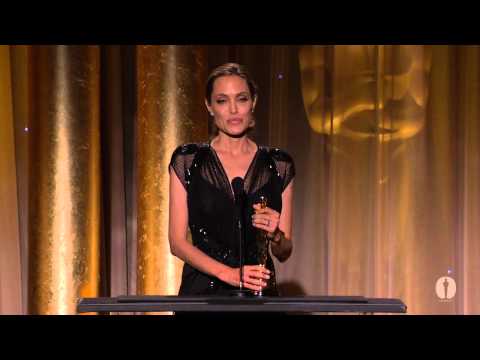
Angelina Jolie receives the Jean Hersholt Humanitarian Award at the 2013 Governors Awards

  Watch the interview and answer the question: What problem does Angelina raise in her acceptance speech?